Residential Solar Solutions
- Residential
Rooftop Solar Solutions For Indian Homes
India is home to 1/6th of the world’s population, an economy that is accelerating ahead and adopting innovations to fuel the ambitions of millions of households. Geographically, India is in an ideal location to harness the limitless power of the sun. The country enjoys clear skies and bright sunshine throughout most of the year, making an ample sunlight available to maximize the benefit of rooftop solar systems.
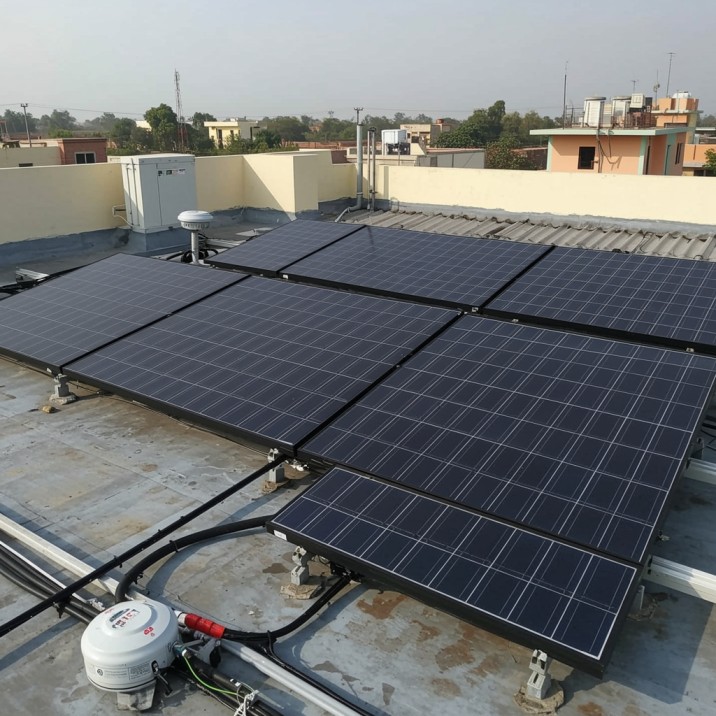
A solar rooftop system consists of solar panels mounted on the rooftop of a residential building or structure capable of producing clean energy. It enables households to generate clean, reliable, and uninterrupted energy to power their everyday lives. The process helps households convert their idle rooftops into a smart investment opportunity, generating savings all year long!
- How it works
Choosing a Rooftop Solar System That Works For You
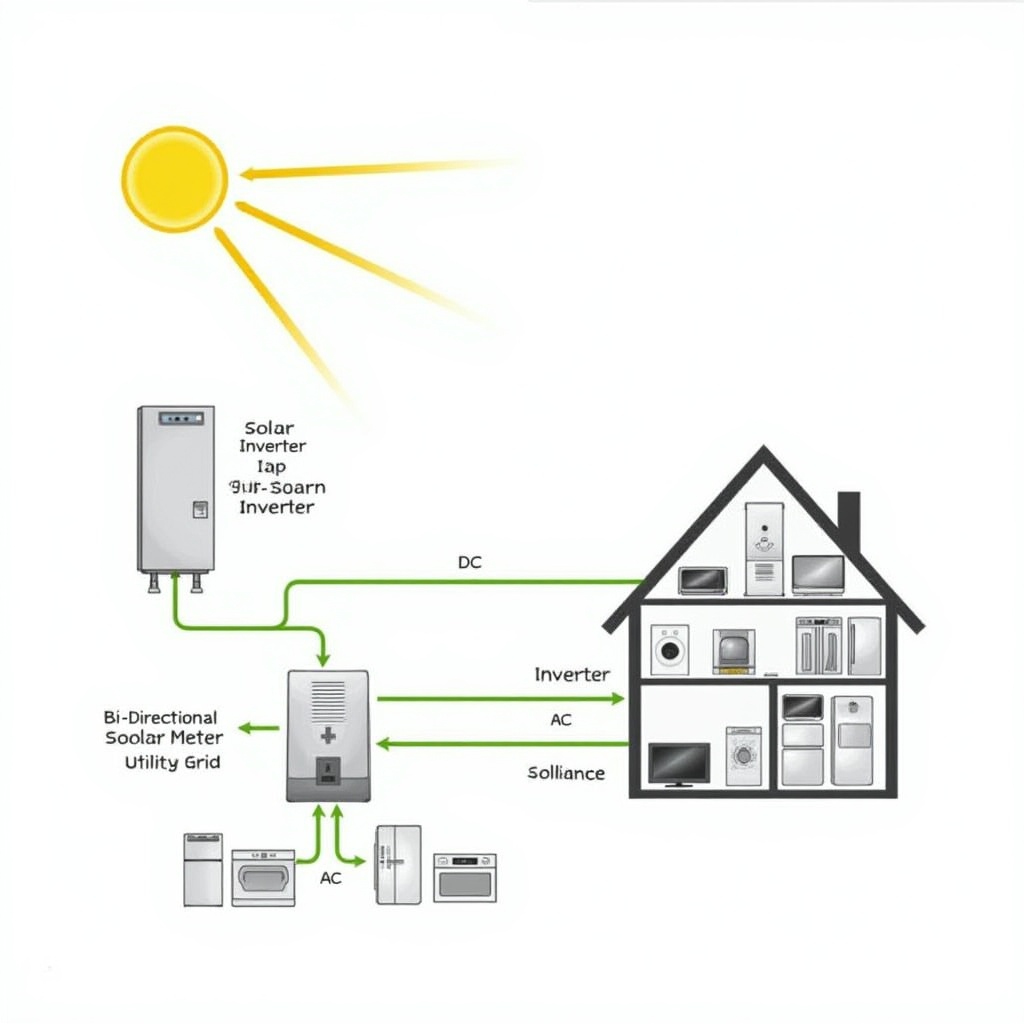
Grid-connected systems are one of the most popular types of rooftop solar installations that serve as a perfect long-term investment. The grid-connected systems with net metering allow households to consume the solar power they need, and sell the excess power back to the electricity board.
A bidirectional electricity meter keeps track of the electricity you import from the grid and the solar electricity you export from the grid. At the end of every month, if the photovoltaic solar capacity generated is more than your consumption, it will result in a credit or reduction in electricity bill.
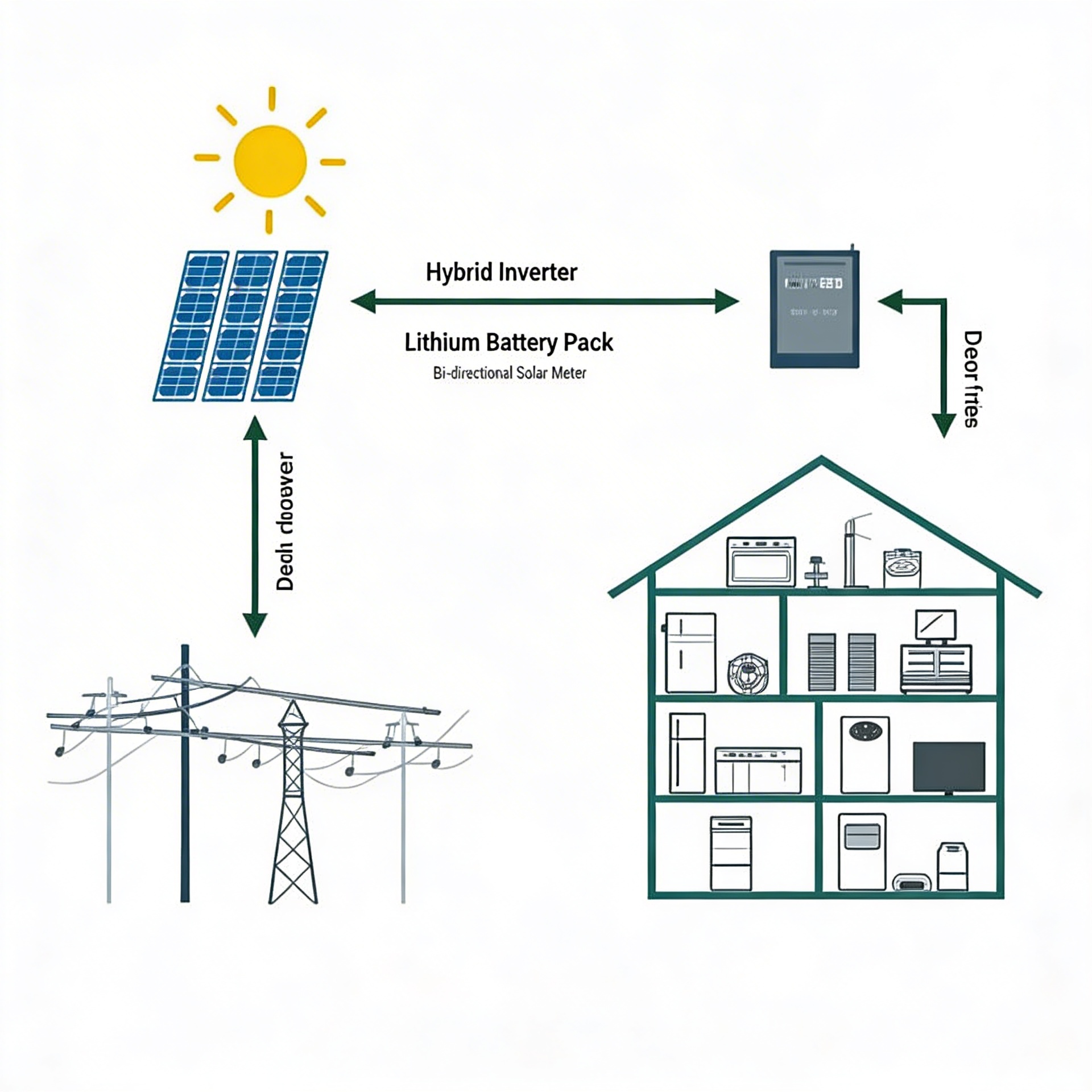
A hybrid rooftop solar system generates solar power which can be used for self-consumption during the daytime and stores the residual power in a lithium battery pack for usage during power cuts or at night. An additional feature of a hybrid solar system is that it can continue to charge the battery during the daytime even during power cuts. Excess electricity, even after consumption and storage, is exported to the grid as long as the grid is operational.
Furthermore, when solar power is insufficient, like during the monsoon season or at night when more power is needed than the batteries can provide, energy is drawn from the grid to power your electrical loads. A net meter, also known as a bi-directional meter, measures the flow of power in both directions and computes net electricity consumption at the end of the billing period. You will only be required to pay for the net electricity consumed.
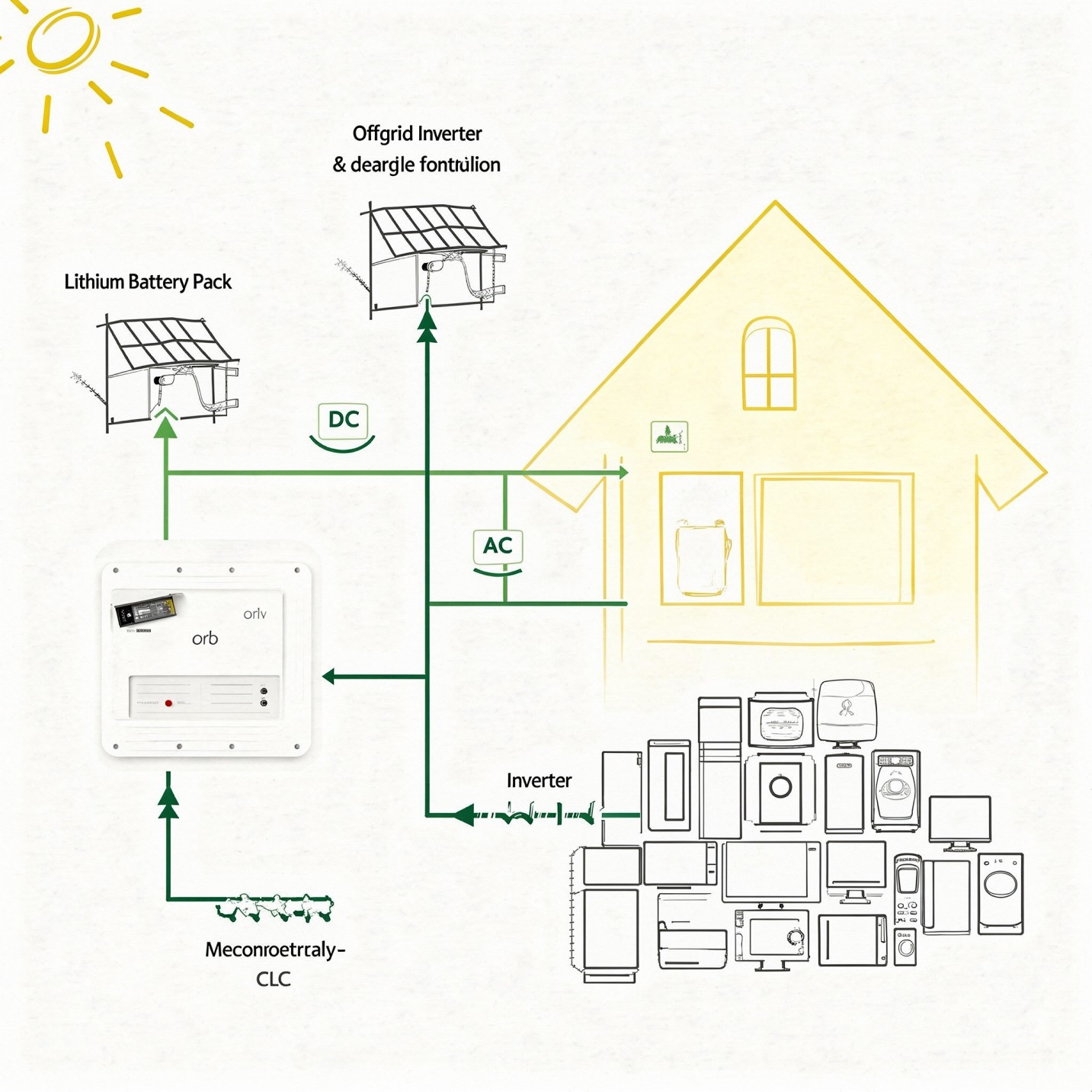
An off-grid solar system is ideal for those users who are located in remote or rural areas that are not connected to an electrical network / grid.
These systems offer complete independence from the electrical grid / network and help you generate and store electricity onsite in a lithium battery pack, according to your needs.
- Installation
Our Installation Process
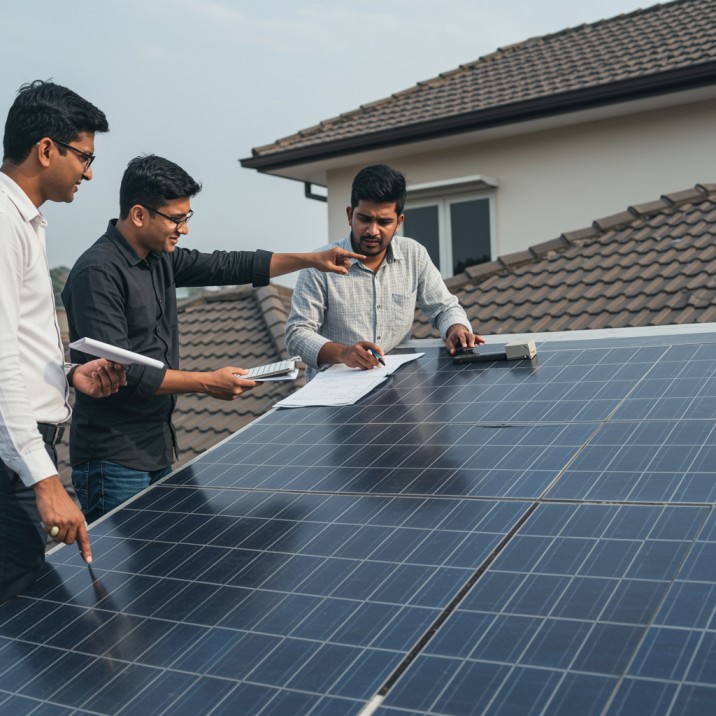
Site Assessment & Consultation
We begin with a detailed site inspection to evaluate your roof space, sunlight exposure, and energy requirements. Our experts then suggest the best solar solution tailored to your home and budget.
System Design & Approval
Based on the assessment, we create a customized solar system design. We also assist with necessary approvals, documentation, and government subsidy applications to ensure a smooth process.
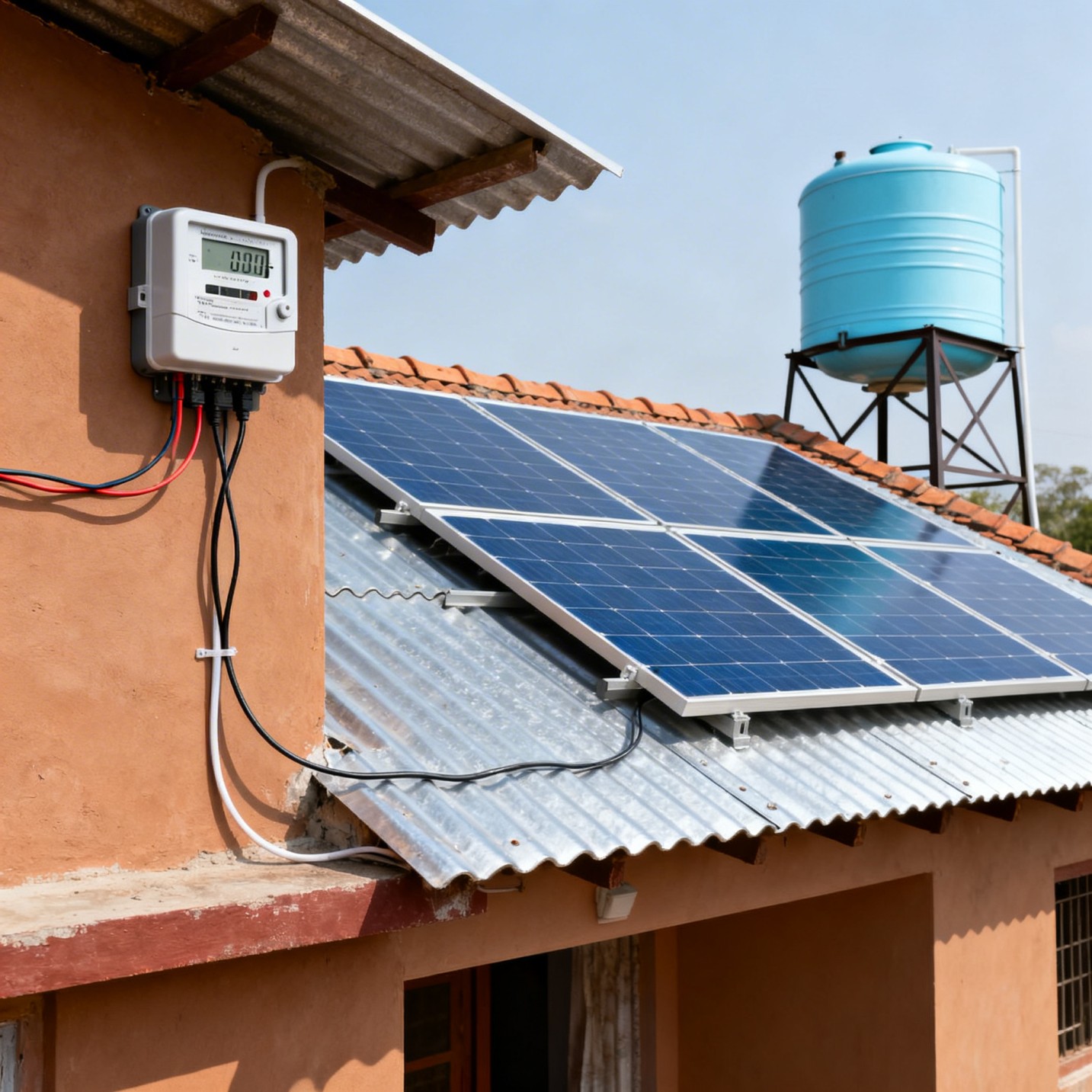
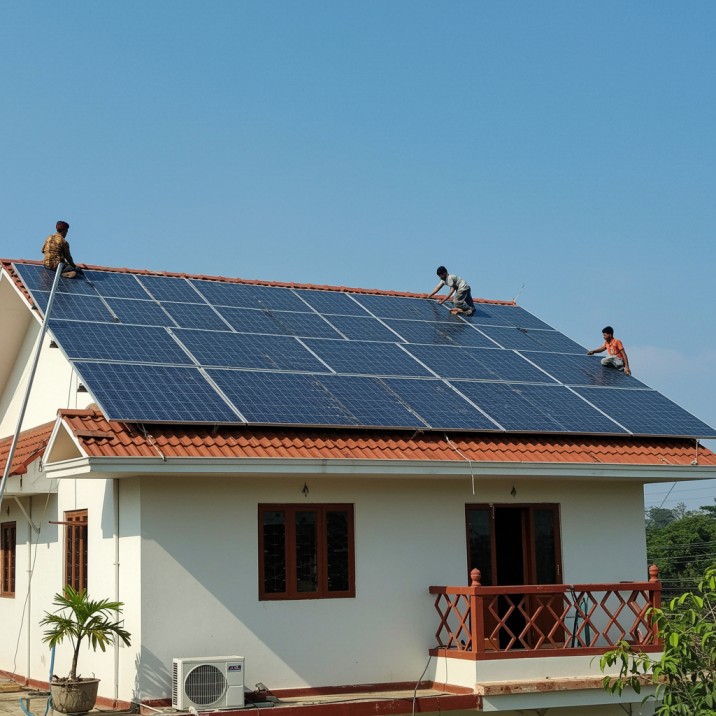
Installation & Setup
Our trained technicians install the solar panels, inverter, and other components with precision and safety. The entire setup is completed efficiently with minimal disruption to your daily routine.
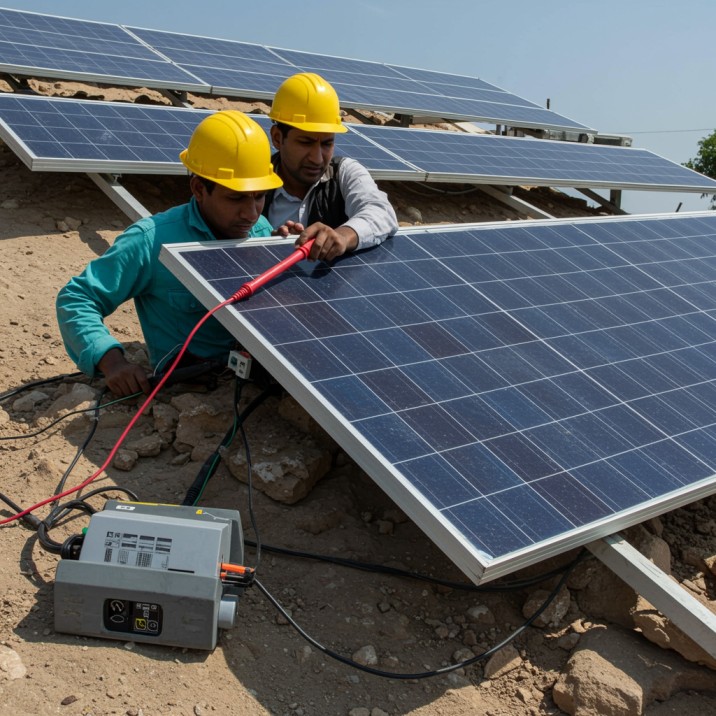
Testing & Activation
After installation, we thoroughly test the system to ensure optimal performance. Once everything is verified, your solar system is activated and starts generating clean electricity for your home.
- Benefits
Benefits of Installing Rooftop Solar
Reduce electricity bills
Installing a residential solar system significantly lowers your monthly electricity expenses. By generating your own power, you rely less on the grid and protect yourself from rising energy costs. In many cases, homeowners can reduce their electricity bills by up to 70–90%.
Environment Friendly
Solar energy is a clean and renewable source of power that reduces your carbon footprint. By switching to solar, you help decrease greenhouse gas emissions and contribute to a healthier, more sustainable environment for future generations.
Long Lifespan
Solar panels are built to last. Most systems come with a lifespan of 25 years or more, providing consistent and reliable energy production over decades. With minimal degradation, they continue to perform efficiently year after year.
Low Maintenance
Solar systems require very little maintenance. Occasional cleaning and periodic inspections are enough to keep the system running efficiently. With no moving parts, the chances of breakdown are minimal, making it a hassle-free investment.
Government Subsidy
The government offers attractive subsidies and incentives to promote solar adoption. These financial benefits help reduce the initial installation cost, making solar energy more affordable and accessible for homeowners.